An international arbitration tribunal has ordered Mexico to pay approximately $15 million to U.S.-based Vulcan Materials in a long-running dispute over the company’s limestone operations in Quintana Roo, rejecting the overwhelming majority of a claim that had sought roughly $1.7 billion in damages.
The final award, issued July 27 in an arbitration administered by the International Centre for Settlement of Investment Disputes (ICSID), brings a significant phase of the years-long dispute between Mexico and the Alabama-based construction materials company to a close. The case has attracted attention because of its intersection with environmental regulation, foreign investment protections, and the increasingly contentious treatment of extractive projects in Mexico.
Vulcan brought the arbitration through its subsidiary Legacy Vulcan under the North American Free Trade Agreement, arguing that actions by Mexican authorities had interfered with its investment and operations in the country.
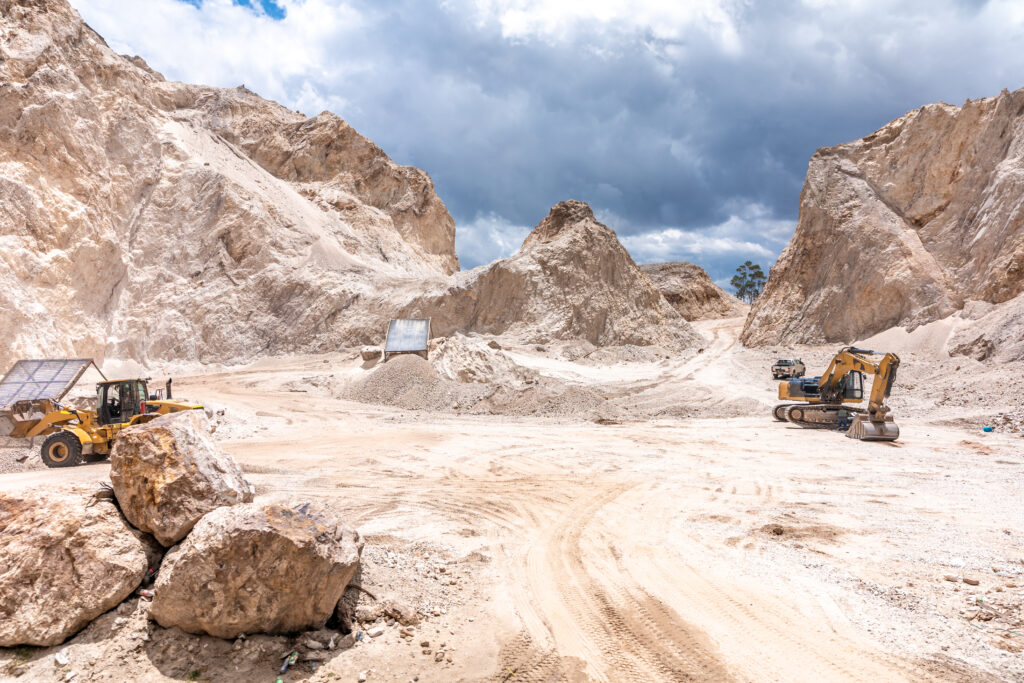
The dispute centers on Vulcan’s limestone quarrying and export operations near Playa del Carmen on Mexico’s Caribbean coast. The company has operated in the region for decades, extracting limestone that is shipped to the United States for use in construction.
Relations between the company and Mexican authorities deteriorated over environmental and permitting issues. Vulcan alleged that government actions affecting its ability to quarry and export limestone violated Mexico’s obligations to foreign investors.
According to Mexico’s Economy Ministry, the tribunal rejected claims related to measures taken by the Mexican government in 2022 and 2023, which represented the vast majority of the damages Vulcan had sought. The tribunal did, however, find Mexico liable in connection with a 2018 measure that affected operations on one portion of the property.
Mexico said the resulting award totaled approximately $15 million, less than 1% of Vulcan’s original claim.
The sharp difference between the amount sought and the amount awarded is significant for both sides.
For Mexico, the decision limits what could have been substantial financial exposure in a politically sensitive dispute involving a foreign mining operator. The government has repeatedly defended its actions toward the project on environmental grounds and has criticized Vulcan’s activities in the region.
For Vulcan, the tribunal’s finding that Mexico violated its investment protections nevertheless provides legal validation for at least part of its case.
The dispute has also unfolded against a broader shift in Mexico’s approach to natural resources and foreign investment. Recent Mexican governments have sought greater state control over strategically important sectors while adopting a more assertive stance toward some mining and energy projects.
Those policies have generated increased scrutiny from international investors and arbitration practitioners, particularly where regulatory changes affect projects that have operated under earlier legal frameworks.
The Vulcan case is also notable because it proceeded under NAFTA even though that agreement was replaced by the United States-Mexico-Canada Agreement in 2020. Transitional provisions allowed certain legacy investments to continue relying on NAFTA’s investor-state protections, making the case part of a diminishing but still important group of disputes arising under the former trade agreement.
Mining disputes remain a major component of the international investment arbitration caseload. Extractive projects typically require large upfront investments and operate over decades, leaving investors particularly exposed to changes in environmental regulation, permitting policy, taxation, and political priorities.
At the same time, governments retain broad responsibilities to regulate environmental impacts and natural resource development, creating a recurring tension between sovereign regulatory authority and treaty protections for foreign investors.
The Vulcan award illustrates how tribunals can navigate that divide without accepting either side’s position wholesale. Mexico succeeded in defeating the overwhelming majority of the damages claimed against it, while the investor still established liability for one government measure.
The dispute may not be entirely finished. Post-award proceedings and other litigation surrounding Vulcan’s Mexican assets could continue, while the future of the company’s operations remains politically sensitive.
For the investment arbitration community, however, the July award provides an important new example of how tribunals are approaching disputes involving environmental regulation, extractive industries, and legacy investment protections in North America.