
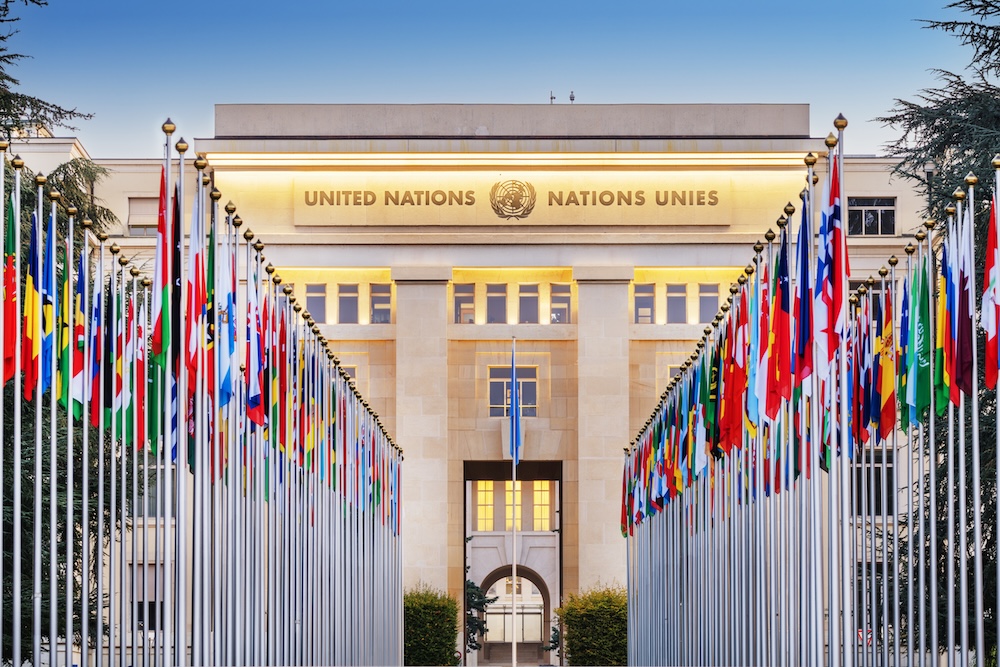
Efforts to reform investor-state dispute settlement (ISDS) continue to gather momentum as delegates from around the world return to Vienna for the latest session of UNCITRAL Working Group III, where governments are negotiating what could become the most significant changes to international investment arbitration in decades.
The working group, established by the United Nations Commission on International Trade Law (UNCITRAL), has spent the past several years examining criticisms of the current ISDS system and developing proposals aimed at improving consistency, transparency, efficiency, and public confidence in the resolution of investment disputes.
Unlike many arbitration stories, the discussions taking place in Vienna do not revolve around a single high-profile claim or award. Instead, they concern the rules that may govern thousands of future disputes between foreign investors and sovereign states.
The importance of that work is difficult to overstate.
Investor-state arbitration has become one of the defining features of international investment law since the 1990s. Bilateral investment treaties and free trade agreements have granted foreign investors the ability to bring claims directly against governments when they believe treaty protections have been violated. Those claims have covered everything from mining concessions and infrastructure projects to renewable energy investments, taxation measures, environmental regulation, and financial services.
Supporters argue that ISDS provides investors with an impartial forum that encourages cross-border investment by reducing political risk.
Critics, however, contend that the system can produce inconsistent decisions, lengthy proceedings, and significant costs. Some governments have also expressed concern that arbitration may limit their ability to regulate in the public interest, particularly in areas such as environmental protection, public health, and industrial policy.
Those competing perspectives have shaped the Working Group III agenda.
Rather than proposing the abolition of investor-state arbitration, delegates have focused on identifying practical reforms that could improve how the system functions. Among the proposals under discussion are the creation of a standing appellate mechanism, enhanced disclosure requirements for arbitrators, stronger rules addressing conflicts of interest, expanded mediation options, and measures designed to reduce the time and expense associated with arbitration proceedings.
One of the most closely watched proposals is the possible establishment of a permanent multilateral investment court or appellate body.
Supporters believe such a mechanism could improve consistency by reducing conflicting interpretations of investment treaties and allowing legal issues to be reviewed on appeal. Others question whether replacing arbitration with a standing judicial institution would sacrifice the flexibility and party autonomy that have traditionally distinguished international arbitration from litigation.
The discussions also reflect broader changes in the global investment landscape.
Governments are increasingly pursuing industrial strategies tied to critical minerals, energy security, artificial intelligence, and advanced manufacturing. Those policy shifts are generating new investment opportunities, but they also create potential conflicts with treaty obligations when regulatory frameworks evolve after investments have been made.
As a result, the effectiveness of ISDS remains a matter of considerable economic importance.
Recent disputes involving renewable energy incentives, mining licenses, infrastructure concessions, and technology regulation demonstrate that investment arbitration continues to play a central role in managing the legal consequences of government decision-making. Whatever reforms ultimately emerge from Working Group III will influence how those disputes are resolved for years to come.
Progress has been deliberately incremental.
Because UNCITRAL operates by consensus among participating states, significant institutional reform requires extensive negotiation and compromise. While no single session is expected to transform the system overnight, each meeting advances discussions that could eventually reshape the architecture of international investment dispute resolution.
For arbitration practitioners, businesses, and governments alike, the Vienna negotiations represent far more than an academic exercise.
They are helping determine whether investor-state arbitration evolves to meet the demands of a changing global economy or whether entirely new institutions emerge to take its place.
The debate is far from over, but one point has become increasingly clear: the future of international investment arbitration is being written not only in arbitral tribunals, but also around the negotiating tables of UNCITRAL.