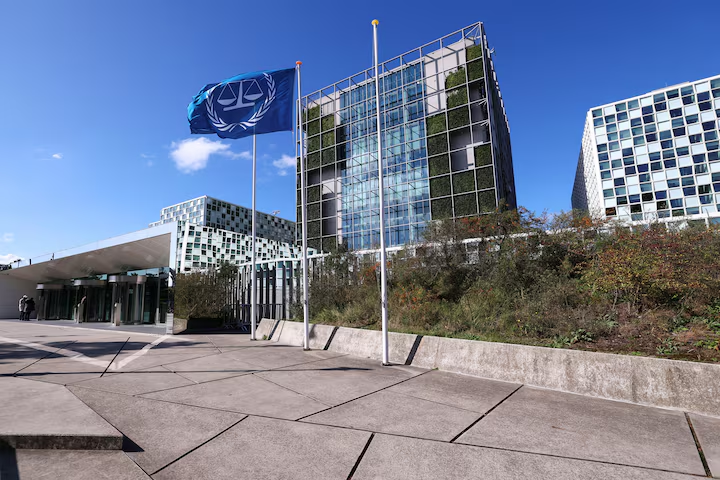
The head of the International Criminal Court said on Monday that American sanctions imposed on senior ICC officials have created personal and financial difficulties, yet insisted the court will not alter its work under political pressure. Judge Tomoko Akane made the remarks in The Hague as the institution opened its annual gathering of member states, at a moment of intense scrutiny from Washington.
Sanctions from the Trump administration earlier this year targeted nine ICC officials, including judges and prosecutors involved in investigations of alleged Israeli war crimes. Sources told Reuters that the United States is now considering an even broader measure that would extend penalties to the entire court.
Court leadership rejects political influence as tensions escalate
Akane said the restrictions had affected daily life for those singled out, particularly because the financial measures reach far beyond U.S. borders. Although the officials live and work in Europe, they struggled with routine transactions because global banks maintain close ties to the American financial system.
Yet Akane emphasized that the ICC’s mandate remains untouched. She said the court would not accept any external pressure when interpreting its statutes or ruling on cases. Her comments came as the institution continues to pursue highly sensitive investigations.
The ICC has issued arrest warrants for Israeli Prime Minister Benjamin Netanyahu, former Defense Minister Yoav Gallant and members of Hamas over alleged crimes committed during the Gaza war. All deny the accusations. The United States previously imposed sanctions on ICC figures over their work in both the Israel cases and a separate investigation involving Afghanistan, which initially reviewed possible offenses by U.S. forces.
The court was established in 2002 to prosecute genocide, war crimes and crimes against humanity when national jurisdictions cannot or will not act. It can pursue cases involving citizens of member states or crimes committed on their territory. Akane said that mission will not change, even as political disagreements intensify.