
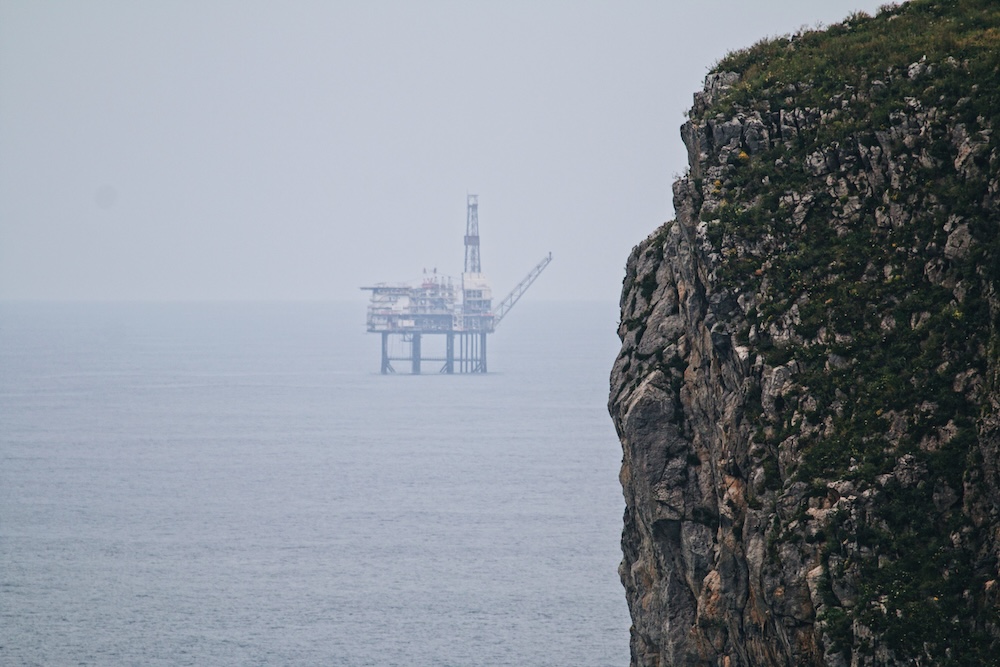
The intersection of climate policy and investor-state arbitration is once again drawing attention after energy investors continued pursuing claims tied to changing energy regulations and project restrictions across Europe.
Among the most closely watched disputes is the arbitration involving Ireland and energy company Lansdowne Oil & Gas, which has become part of a wider debate surrounding the future of investment protections in the energy sector.
The dispute is proceeding under the Energy Charter Treaty (ECT), one of the world’s most controversial international investment agreements. Originally designed to encourage cross-border energy investment following the end of the Cold War, the treaty has increasingly become a focal point of political and legal criticism as governments accelerate climate and decarbonization policies.
In recent years, multiple European states have faced arbitration claims tied to changes in fossil fuel regulations, exploration restrictions, energy pricing reforms, and environmental policy shifts. Critics argue that these claims can create tension between national climate goals and international investment protections.
Supporters of investor-state arbitration, however, contend that stable legal frameworks remain essential for maintaining confidence in long-term energy investments.
The dispute involving Ireland reflects many of those broader tensions.
As governments pursue more aggressive climate targets, investors operating under earlier regulatory frameworks have increasingly argued that abrupt policy changes undermine legitimate expectations and create significant financial harm. Governments, meanwhile, argue that evolving environmental priorities require flexibility to regulate in the public interest.
That conflict is now reshaping arbitration discussions throughout Europe.
Several European countries have already announced plans to withdraw from the Energy Charter Treaty, citing concerns that the agreement may conflict with climate objectives and expose governments to costly legal claims. At the same time, arbitration practitioners note that the treaty continues to provide substantial protections for investors involved in cross-border energy projects.
The legal uncertainty surrounding the ECT has become especially significant for projects involving oil, gas, and transitional energy infrastructure.
Energy disputes have historically represented some of the largest and most complex cases in international arbitration. As the global energy transition accelerates, practitioners expect the number of disputes involving environmental regulation, project cancellations, licensing changes, and decarbonization policies to continue increasing.
The implications extend beyond Europe.
Governments around the world are simultaneously attempting to attract investment into renewable energy and critical infrastructure while retaining flexibility to revise environmental and industrial policy. That balancing act is becoming increasingly difficult as economic pressures, political shifts, and climate obligations continue to evolve.
Arbitration forums are therefore playing a growing role in determining how those competing priorities are interpreted and enforced.
For investors, these disputes reinforce the importance of treaty protections and carefully structured investment agreements. For governments, they highlight the legal complexities that can arise when policy priorities shift rapidly.
The debate surrounding the Energy Charter Treaty also raises larger questions about whether the current investor-state arbitration framework is fully equipped to address the realities of the global energy transition.
That debate is unlikely to fade anytime soon.
As countries continue restructuring energy markets and environmental regulations, arbitration proceedings tied to climate and energy policy are expected to remain one of the fastest-growing areas of international dispute resolution.