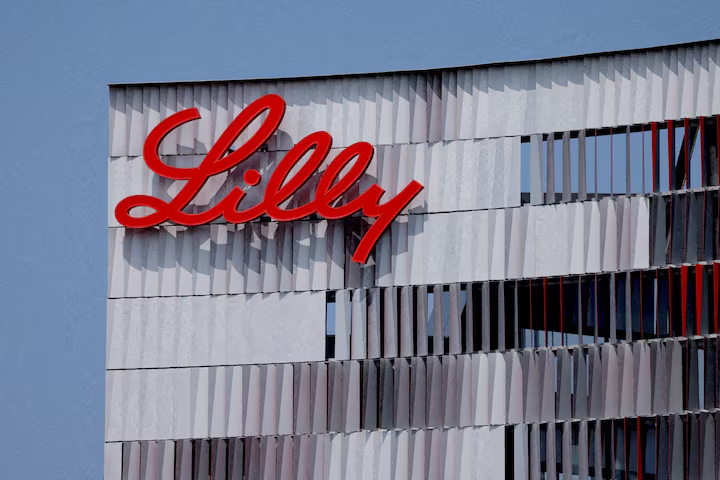
A Texas compounding pharmacy has filed a federal lawsuit accusing Eli Lilly and Novo Nordisk of using their market power to block access to customized, lower-cost versions of popular GLP-1 weight-loss drugs. The case adds a new legal front to the fast-growing battle over who controls the booming market for diabetes and obesity treatments.
Strive Specialties filed the complaint this week in federal court in San Antonio, arguing that Eli Lilly and Co and Novo Nordisk unlawfully restricted competition to protect their blockbuster products. According to the lawsuit, the companies’ conduct prevents patients from obtaining compounded alternatives when brand-name drugs are unavailable, unaffordable, or unsuitable for individualized treatment.
GLP-1 drugs such as Ozempic, Wegovy, Mounjaro, and Zepbound have seen explosive demand in recent years. While Lilly and Novo compete directly with each other, they also face pressure from compounding pharmacies. Those pharmacies are permitted under U.S. law to prepare customized versions of approved drugs during shortages or when patients need tailored dosages or formulations.
Allegations focus on exclusivity and access limits
Strive claims Lilly and Novo abused their dominance by entering exclusive arrangements with large telehealth providers. According to the filing, those deals barred doctors on the platforms from prescribing compounded GLP-1 medications, even when physicians concluded a patient required a customized option. The pharmacy argues that such practices effectively shut compounders out of a critical distribution channel.
The lawsuit also accuses Lilly of portraying compounded GLP-1 drugs as unsafe and of interfering with Strive’s relationships with payment processors and technology partners. Strive says compounding pharmacies stepped in during supply shortages and continue to serve patients whose needs are not met by standard, mass-produced drugs.
Both drugmakers have rejected the allegations. Lilly said the lawsuit misstates both the facts and the law and attempts to divert attention from Strive’s own conduct. Novo said the claims lack merit and promised to fight them in court.
The dispute follows earlier litigation between the parties. In October, Lilly sued Strive in Arizona federal court, alleging the pharmacy falsely advertised some compounded products as clinically proven and personalized. That case remains pending.
Strive is seeking monetary damages and a court order that would prevent Lilly and Novo from enforcing the alleged exclusivity agreements. The outcome could carry broader implications for the balance between branded drug manufacturers and compounding pharmacies, particularly as regulators and courts confront how competition should function in the rapidly expanding GLP-1 market.